 UK
UK IRE
IRE AU
AU CA
CA US
US ZA
ZA NA
NA Industry: Commercial groundworks and site preparation
Location: Midwest, United States

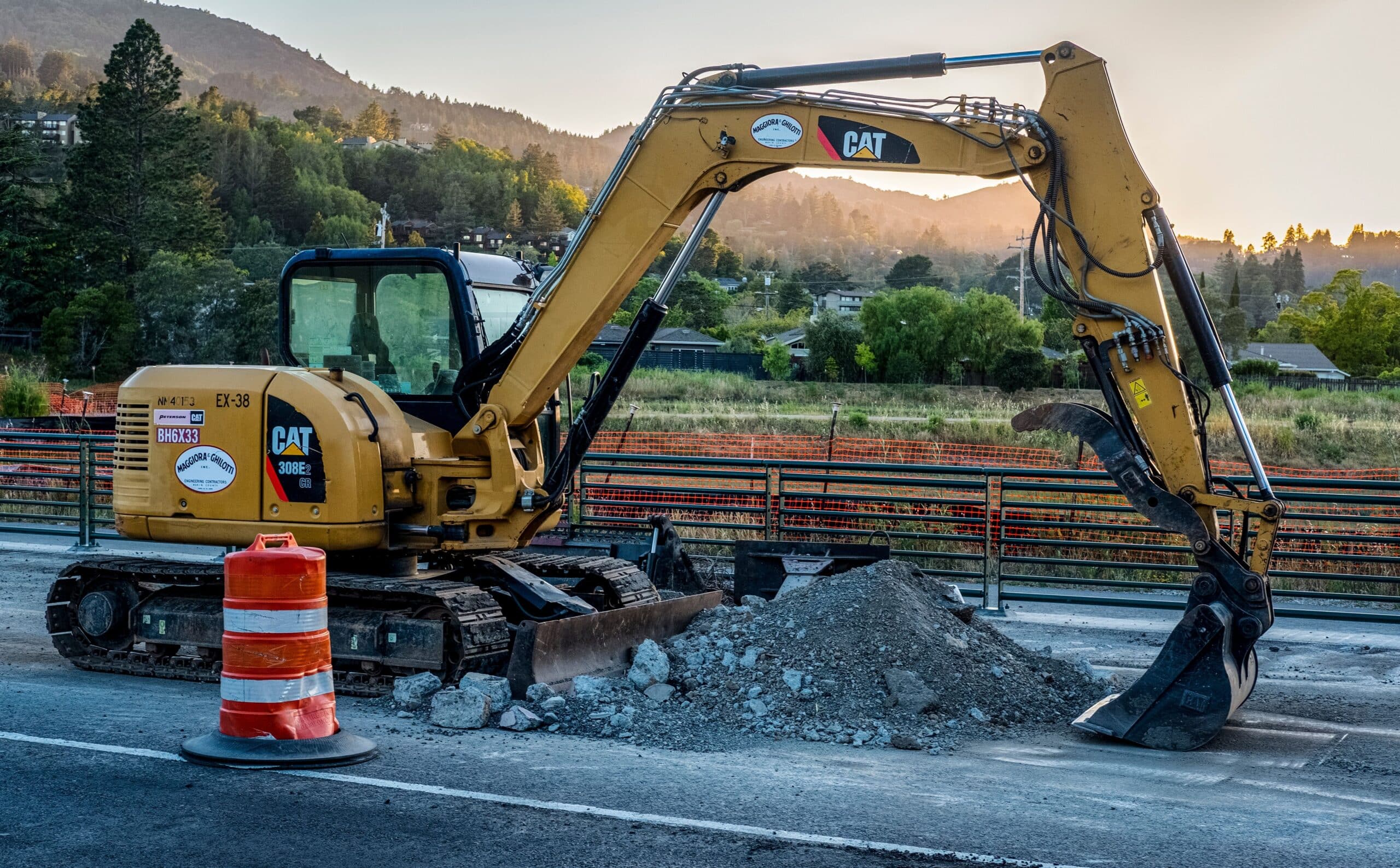


Picture a 35-person groundworks crew already digging on a live warehouse development, then getting told the job just got bigger. The general contractor expanded the scope on the build to around $1.4 million, which meant a longer runway on site and more excavator capacity than the original bid assumed. But this was not a one-off. Behind that contract sat a pipeline of work the business had already won, and the pattern was clear: demand was outgrowing the fleet.
That forced a real decision on the equipment, and the contractor weighed it carefully. Renting a machine for a single job can be the cheaper move in the short term, and they had rented plenty before. But renting stops making sense once you need a machine most of the time across back-to-back projects. Monthly rental on a 20-ton excavator adds up fast, and in busy season the rental yards run tight, so the machine you need is not always the machine you can get. On a multi-phase build with weather delays, being at the mercy of someone else’s availability is a risk to the schedule.
The math had flipped. The business was expanding to the point where owning the equipment, not renting it, was the logical next step. Two more excavators would let the existing core crew take on more work and generate more revenue, turning rental spend into owned assets that have value. The catch was cash. Buying two excavators outright, roughly $360,000 in machines, would have drained the reserves needed to cover payroll, exactly when an 83-day payment gap and 8% retention were already squeezing the timing of every dollar.
Swoop structured the funding across two layers rather than forcing everything into one product, and the equipment came first.
The core of the deal was $360,000 of equipment financing on two 20-ton excavators, spread over a 60-month term. This was a finance-to-own decision, not a short-term fix. Renting would have solved the immediate job, but financing gave the business permanent capacity for the pipeline behind it, with the cost spread over the useful life of the machines instead of paid in one lump. The excavators start earning across multiple projects right away while they pay for themselves over time, and at the end of the term they are owned assets with residual value. Construction equipment holds its value and does clear, definable work, which is exactly why lenders are comfortable financing it and why spreading the cost fit a growing contractor far better than either a cash purchase or an open-ended rental bill.
Alongside the equipment, and because retention was holding back a slice of every progress payment until the job was signed off, we helped structure a $300,000 line of credit sized against the contractor’s accounts receivable. This is the piece that handled that gap. The business could draw down to cover payroll and subcontractors, then pay it back as progress payments and the held-back retention came in. We sized it to flex with the billing cycle instead of landing as a fixed payment whether or not the client had paid yet.
We structured it this way because a rigid term loan sized to today’s project would have been wrong the moment the next scope change or weather delay moved the goalposts. Matching the facility to how the contractor actually gets paid meant the funding still fit as the job moved.
The equipment landed first, which is what the growing pipeline needed. Both excavators were on site inside three weeks, so the crew could service the expanded warehouse scope and the work lined up behind it without waiting on a rental yard.
The line of credit did its quieter job in the background. Payroll and subcontractors were covered straight through the billing gap, and because the $360,000 of equipment was financed rather than bought outright, the cash reserves the business relied on never got touched. The two layers worked together: one grew the fleet, the other kept the lights on while the invoices caught up.
The strategic effect outlasts this one job. With two more excavators owned and earning, the same core crew can take on more work and generate more revenue, which is the whole point of adding capacity. The $300,000 line of credit stays in place for the next project’s timing swings, so the contractor is not back at square one the next time retention holds cash or a general contractor stretches a payment out past 80 days. Rental spend became owned assets, and the reserves stayed free to absorb the shocks a construction schedule throws every few weeks.
From first inquiry to close, the whole structure came together in 21 days.
| Use of funds | Amount | Strategic outcome |
|---|---|---|
| Two 20-ton excavators | $360,000 | Permanent fleet capacity for a growing pipeline |
| Receivables-backed line of credit | $300,000 | Payroll and subs covered through the retention gap |
| Total | $660,000 | Capacity grown, cash reserves intact, closed in 21 days |
Looking at a similar move? See how equipment financing could work for your construction business.
Equipment financing lets a contractor spread the cost of machines like excavators over the period they’re generating revenue, instead of paying the full amount upfront. In this case, a Midwest groundworks contractor financed $360,000 of excavators over 60 months to grow fleet capacity for a full pipeline, keeping cash reserves intact for payroll. The equipment earns while it pays for itself. See how equipment financing works for your fleet.
It depends on how often you’ll use the machine. Renting is often cheaper for a one-off job, but once you need a machine most of the time across back-to-back projects, financing to own usually wins, and it protects you from busy-season rental shortages. This contractor had the pipeline to justify permanent capacity, so financing $360,000 of excavators beat an open-ended rental bill. See how equipment financing compares.
Equipment financing typically covers the full cost of the machines, from a single excavator up to a whole fleet, with terms matched to the useful life of the asset. This contractor financed $360,000 across two 20-ton excavators over a 60-month term. Construction equipment is one of the most commonly financed asset types because it holds value and does clearly defined work. See what equipment financing can cover.
By financing the equipment instead of buying it outright. With a full pipeline and a warehouse contract that had expanded to around $1.4 million, this Midwest groundworks business needed two more excavators but could not afford to spend the reserves that cover payroll. The $360,000 of equipment financing spread the cost over 60 months, so the reserves stayed intact and the machines started earning immediately.
A line of credit lets you draw down and repay as cash flow moves, while a term loan lands as a fixed payment whether or not you’ve been paid. This contractor used a $300,000 receivables-backed line of credit to cover payroll during the retention gap, then repaid it as progress payments came in. A rigid term loan would have been wrong the moment the next scope change hit.
Retention can be bridged with a line of credit sized against accounts receivable, though it takes a lender who understands construction contracts. Because retention clauses held back 8% of each progress payment here and contract wording varies, receivables funding in construction is often situational. In this case, Swoop structured a $300,000 line of credit the contractor could draw on through the retention gap and repay as held-back cash was released.
Swoop arranges equipment financing, lines of credit, working capital, and other facilities for construction and groundworks businesses across the US. In this case the structure combined $360,000 of equipment financing on two excavators with a $300,000 receivables-backed line of credit, closed in 21 days. Swoop operates as a commercial finance referral platform, comparing options across a lender panel. Speak to a funding manager about your specific situation.









 yet? Register here!