 UK
UK IRE
IRE AU
AU CA
CA US
US ZA
ZA NA
NA Industry: Transport & Logistics
Location: West Yorkshire, United Kingdom

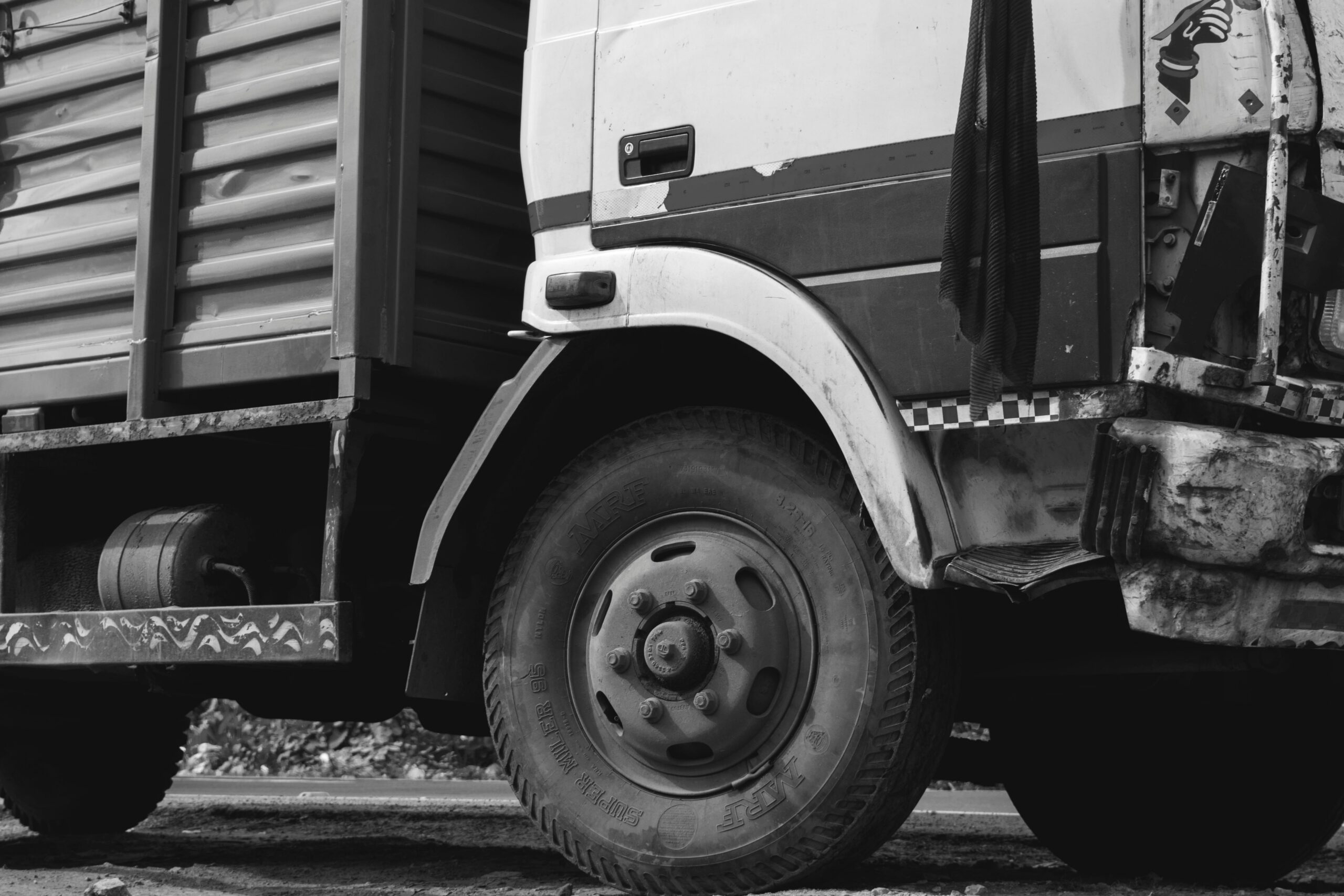


A family-run haulage operator based in Wakefield, West Yorkshire, with a fleet of 14 vehicles and a turnover of £2.8 million. Having built a strong reputation over 18 years in chilled and ambient distribution across the North of England, the business was awarded a three-year contract with a regional food wholesaler worth approximately £720,000 per year.
To deliver the contract, the company needed two Euro VI-compliant 18-tonne refrigerated rigids fitted with Carrier Transicold units, plus an insulated box trailer for overflow work — a combined equipment cost of around £205,000. The directors initially planned to purchase the vehicles outright from reserves, but quickly realised this would leave the business dangerously exposed. With payroll, fuel, insurance, and maintenance costs running at over £110,000 per month across the existing fleet, buying the assets cash would consume nearly all of their operating buffer.
Worse still, a second prospective contract — a regional last-mile delivery route for an e-commerce fulfilment house — was expected to go to tender within four months. Without available capital, they would have no way to mobilise the additional vehicles needed to bid credibly. The business faced the classic growth trap: winning work, but unable to fund the assets required to deliver it without putting day-to-day operations at serious risk.
Swoop’s asset finance team assessed the requirement within 48 hours and ran a whole-of-market comparison across specialist commercial vehicle lenders. Because the assets were new and held strong residual value, and the business had a clean three-year trading history with consistent revenue, lenders competed to offer terms.
The recommended structure was a 48-month hire purchase agreement at 6.5% APR, with fixed monthly repayments of £4,860. This meant zero upfront capital outlay on day one, and the full £205,000 remained in the business as liquid working capital. Ownership of the vehicles would transfer to them at the end of the term, giving the directors a long-term fleet asset at no additional cost beyond the finance premium of approximately £28,400 over the four years.
Critically, the deal was structured so that repayment commencement aligned with the first revenue drawdown from the new contract — meaning the business was never servicing debt from existing cashflow. The monthly repayment of £4,860 represented just 8% of the contract’s monthly revenue of £60,000, giving comfortable headroom. Swoop also flagged the tax advantages: the hire purchase qualified for capital allowances under the Annual Investment Allowance, and VAT was spread across monthly payments rather than requiring a single £41,000 hit upfront.
With reserves fully intact, they were in a position to bid on the second contract when it came to tender just five months later. They successfully won the last-mile route — worth £580,000 per year — mobilised two additional vehicles through a second asset finance facility, and grew annual revenue from £2.8 million to a projected £4.1 million within the first year.
The total finance premium on the original facility was approximately £28,400 over 48 months. Set against the £580,000 in additional annual revenue that preserved capital allowed the business to unlock, the return on that decision was clear. Had they bought outright, the second contract would almost certainly have been out of reach.
By financing rather than buying, they avoided the growth trap entirely — protecting cashflow, retaining the ability to pursue new opportunities, and converting a single contract win into a step-change in the scale of the business.





















 yet? Register here!