 UK
UK IRE
IRE AU
AU CA
CA US
US ZA
ZA NA
NA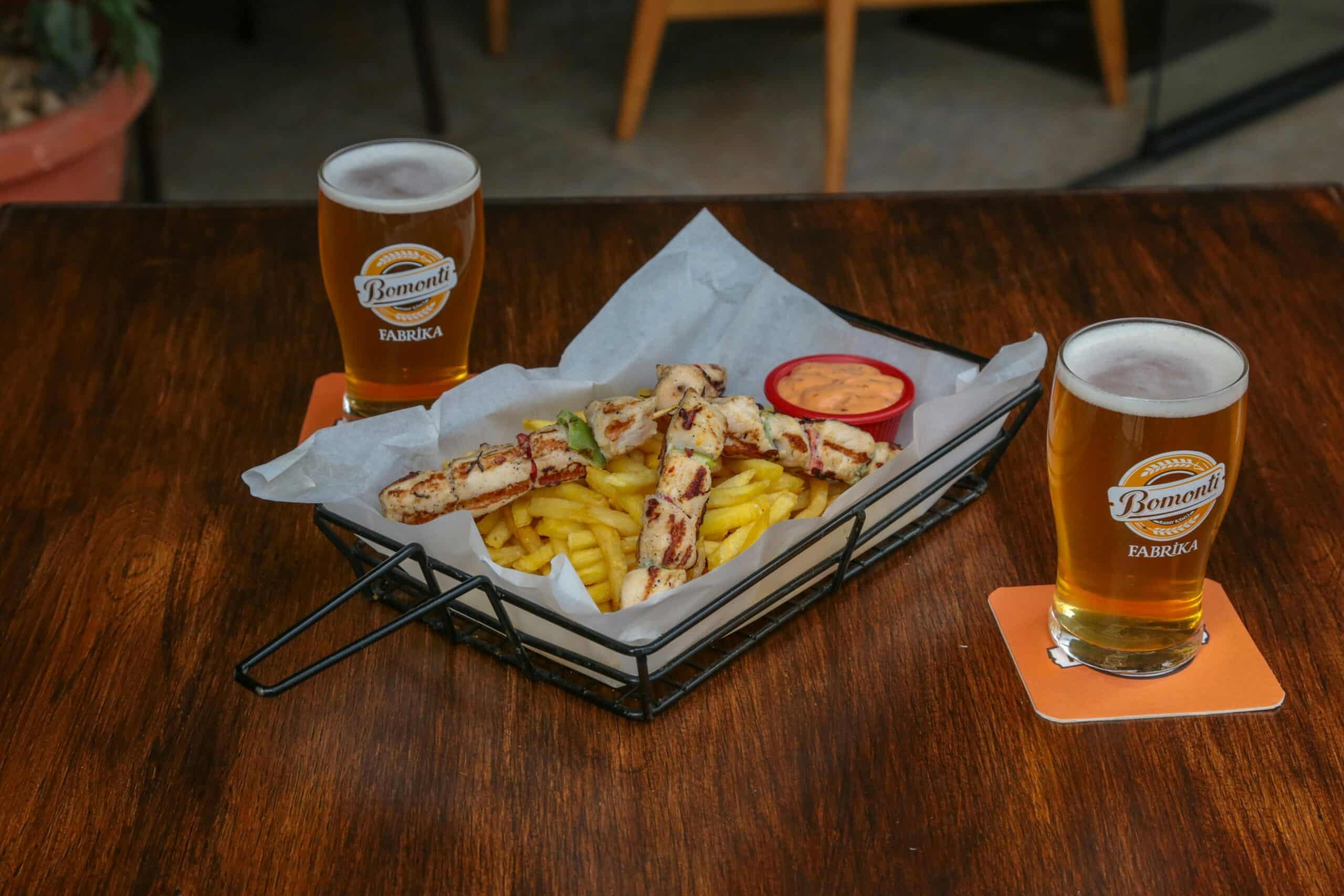
Industry: Hospitality / Gastropub
Location: North Norfolk, United Kingdom


A coastal gastropub in the North of England, well-known locally as the heart of its community and a buzz of activity through the longer summer evenings. Every year, peak season brings sharp demand spikes — and almost every year, the business has been caught slightly short on stock to meet them. Turnover sits at just under £1 million a year, and with a new outdoor pizza oven and portable cocktail bar going in this season, the owners are aiming to add at least another £150,000 to it — alongside plans for more outdoor seating to open the garden up as a destination space in its own right. Roughly 65% of annual turnover lands between the May bank holiday and the end of September, with a much quieter shoulder running from November through to Easter.
That seasonal curve is manageable once you’re in peak trade. The problem is the bridge between the two. By mid-April, with peak season just weeks away, the business was facing the classic “summer cash crunch”: suppliers wanted bulk pre-orders committed ahead of the bank-holiday weekend, the new pizza oven was due for installation but the outdoor area around it was unfurnished and underutilised, and a long quiet winter had eaten into the operating buffer. To genuinely meet the demand they were expecting — and to establish themselves as the go-to pub in the area — they needed enough capital to set up properly, not stretch their way through the season.
The good thing was that the owners weren’t starting from scratch on funding. Like a lot of hospitality businesses, they already had a Merchant Cash Advance in place through their card payment provider, which had served them well as a flexible top-up against day-to-day takings. But that facility was already working hard — committed against everyday operating costs and a modest stock float — and it simply wasn’t sized to cover what they needed for the season ahead: a serious bulk-order on the cellar, dry stores and frozen kitchen stock for the first eight weeks of trade, plus all the furniture, parasols and patio heaters needed to make the new pizza oven setup actually work.
Stretching the existing MCA to cover all of that would have meant cannibalising the working buffer they relied on for shoulder-season cashflow. They needed an additional layer of capital — separate from the MCA — that was properly sized for the seasonal step-up, and structured around the difference between stock (which would convert into revenue inside the same season) and fixed assets (which would serve them across multiple summers).
Swoop’s funding team structured an additional £90,000 facility designed to sit alongside the existing MCA, not replace it — covering exactly the parts of the seasonal lift the MCA couldn’t comfortably absorb.
The first £60,000 came as a short-term business loan for bulk seasonal inventory. That covered the early pre-orders suppliers wanted committed ahead of the bank-holiday weekend: pallets of wine and spirits for the cellar, frozen stock for the kitchen, and the cleaning and consumables that were much cheaper at scale. Because the loan was structured around the season itself, repayments fall squarely within the peak trading window — meaning the stock the loan funded is, in effect, paying the loan back as it converts into added revenue across June, July and August. Drawing the funds early also let the owners lock in bulk-order discounts from suppliers, which effectively offset the cost of the loan interest itself.
The remaining £30,000 was structured as a four-year asset finance facility for the outdoor build-out — bespoke garden furniture, parasols, and four commercial patio heaters arranged around the new wood-fired pizza oven. Because the assets held strong second-hand value and the pizza oven was a clear revenue draw from day one, the finance was straightforward to arrange, with manageable fixed monthly repayments spread over four summers rather than landing as a single capex hit on the operating account at the start of the season.
Result
The pub opened the May bank holiday weekend with a fully stocked cellar, dry and frozen stores, and a freshly built outdoor area that lifted the look and feel of the garden in time for the busiest time of the year.
The structure of the deal has done exactly what it was designed to do. The short-term loan is repaying naturally out of peak-season trading, with the bulk of it set to be cleared by the end of September — meaning by the time the shoulder season arrives, only the modest asset finance repayments continue through the winter, and the MCA stays available as the everyday flex facility it’s always been.
Beyond the immediate trading boost, the new outdoor space has lifted the perceived quality and value of the venue, which has knock-on effects for average spend, repeat customers and the kind of word-of-mouth recommendations that drive future summer-on-summer growth.
| KEY DETAILS | ||
| £90,000 additional facility secured (alongside existing MCA) | 65% of annual revenue earned May–September | 4-year asset finance term for outdoor refresh |






















 yet? Register here!