 UK
UK IRE
IRE AU
AU CA
CA US
US ZA
ZA NA
NA
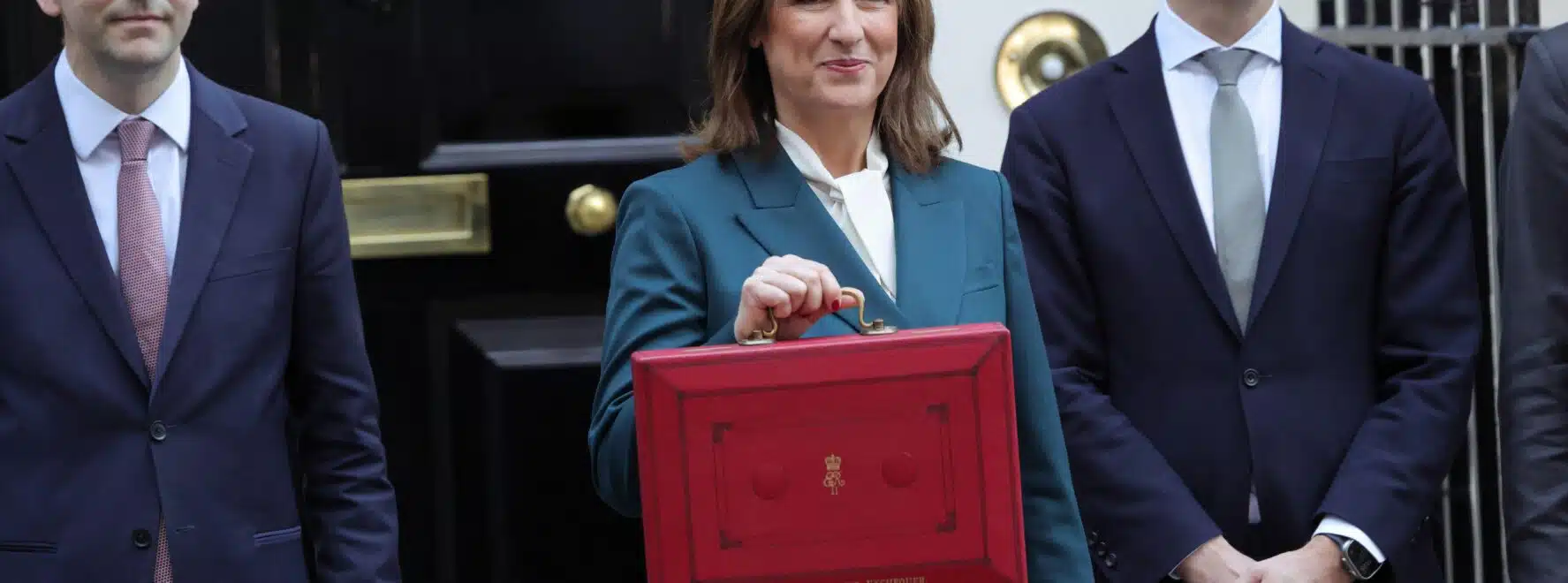
After months of speculation, Chancellor Rachel Reeves delivered her Autumn Budget on 26 November 2025. Perhaps the most significant move was to place a freeze on personal tax thresholds for another three years, alongside a mix of smaller tax tweaks that, together, add up to a sizeable shift.
The Chancellor avoided raising income tax – a manifesto pledge – and instead served up a spread of changes. With a gap of around £20bn to £30bn to close, she leaned on quiet measures such as extending the personal tax threshold freeze until 2030 to bring in more revenue.
As a founder, this might change how much you pay yourself, but for your finances as a whole there are other areas to think about: Reeves introduced a cap on pension salary sacrifice, which could impact your personal tax planning. There are also new powers for local councils to bring in a tourism tax on overnight stays and higher gambling taxes, which could impact the hospitality industry; a high value council tax surcharge which could affect you if your business is based in such a property; and a cut to capital gains tax relief for employee ownership trusts which could impact your exit plan. This broader mix gave her enough room to lift the two child benefit cap, but it’s clearly at the price of SME founders.
Other changes including a rise in the national minimum wage, make employing staff more expensive, again impacting businesses with staff.
Ahead of the speech, Reeves said she had taken “fair and necessary choices” to deliver the promise of change, and repeated her aim not to return the UK to austerity. The Office for Budget Responsibility expects the Budget to raise £26bn by 2029 through the freeze and other measures. This will push the tax burden to a record 38 percent of GDP by 2030, much of it on the shoulders of SMEs around the country, which now have plenty of fresh challenges to untangle.
Overview of tax measures
- Extension of personal tax thresholds
- National insurance on pension salary sacrifice
- Lower capital gains tax relief for employee ownership trusts
- Mileage based charge on electric vehicles
- High value council tax surcharge for properties over £2m
- Freeze on fuel duty for five months
- Sugar levy extended to milk based products
- Higher national minimum wage and living wage
- Tourism tax powers for councils
- Reform of gambling duties
- ISA rule changes
- Action on construction industry scheme fraud
- Greater focus on tackling tax avoidance
- Response to the loan charge review
Personal tax thresholds
The extension of the freeze from 2028 to 2030 follows a promise from Reeves last year. The freeze, first introduced by Rishi Sunak in 2021, had been due to end in the 2025 to 2026 tax year. Reeves said she knows the decision affects working people but argued she is keeping the burden as low as she can while she reshapes the tax system. She also confirmed that people who only receive the state pension will not have to use simple assessment from April 2027.
£2,000 cap on salary sacrifice
As expected, pension salary sacrifice has been capped at £2,000. Any pension contributions above this will be taxed in the usual way. Reeves said the relief has grown too fast and is not fair for workers who cannot access salary sacrifice or do not earn bonuses. The change will take effect in 2029.
Capital gains tax on employee ownership trusts
The UK Government has reduced the relief for employee ownership trusts. From this month, only half of any disposal will be exempt from capital gains tax. Reeves said the original relief had allowed some gains to avoid tax entirely.
Property
Reeves increased the basic and higher rates for property, savings and dividend income by 2 percent. She pointed out that a landlord earning £25,000 can pay far less tax than a tenant with the same income because national insurance is not charged on these types of income. A high value council tax surcharge is also coming. Properties worth more than £2m will face an annual charge of £2,500, rising to £7,500 for properties worth more than £5m.
Vehicles
A new mileage tax for electric vehicles will arrive in April 2028. Battery powered cars will be charged £0.03 per mile and hybrids £0.015 per mile, , which will change the profitability of vehicles that have been bought to avoid fuel duty and minimise emissions. Fuel duty itself will stay frozen for five more months before rising in stages from September 2026.
National minimum wage and apprenticeships
The national minimum wage and living wage have risen again. The rate for 18 to 20 year olds goes from £10 to £10.85 an hour. The living wage for people aged 21 and above rises to £12.71 an hour. To help smaller firms, the Chancellor promised free apprenticeships for small businesses, which could support practices looking to expand their teams. Many businesses up and down the country, however, will be looking at a sharp rise in their wage bill.
Business rates
There are several changes to business rates, which are more positive for SMEs. The UK Government will alter the multipliers used to uprate bills and introduce permanently lower rates for more than 750,000 retail, hospitality and leisure properties.
Looking at the economy
The Office for Budget Responsibility forecasts average GDP growth of 1.5 percent, which is slightly weaker than its earlier view due to slower productivity growth. Growth for this year has been upgraded, though, from 1 percent. The Budget leaves the UK Government with a headroom of £22bn, which is £12bn more than in March.
Closing her Budget, Reeves said she intends to grow the economy through stability, investment and reform. She said she has met her fiscal rules, strengthened the UK’s resilience and taken steps to fix welfare, reduce waste and ease the cost of living, all while sticking to every manifesto commitment.
At Swoop, we believe that the economy is underperforming because it is becoming less attractive to start a business and harder to grow one. We call on the Government to incentivise SMEs which are the engine of economic growth, rather than take the sector for granted. Our businesses are delivering prosperity; just now it feels as though the needs of SMEs are either misunderstood or are being ignored.
Make sense of the Autumn Budget with Swoop
Swoop’s co-founders Ciaran Burke and Andrea Reynolds sat down with Rachel Harris (Accountant She / StriveX) to break down the key tax, funding, and policy changes announced. View the webinar below.




















 yet? Register here!